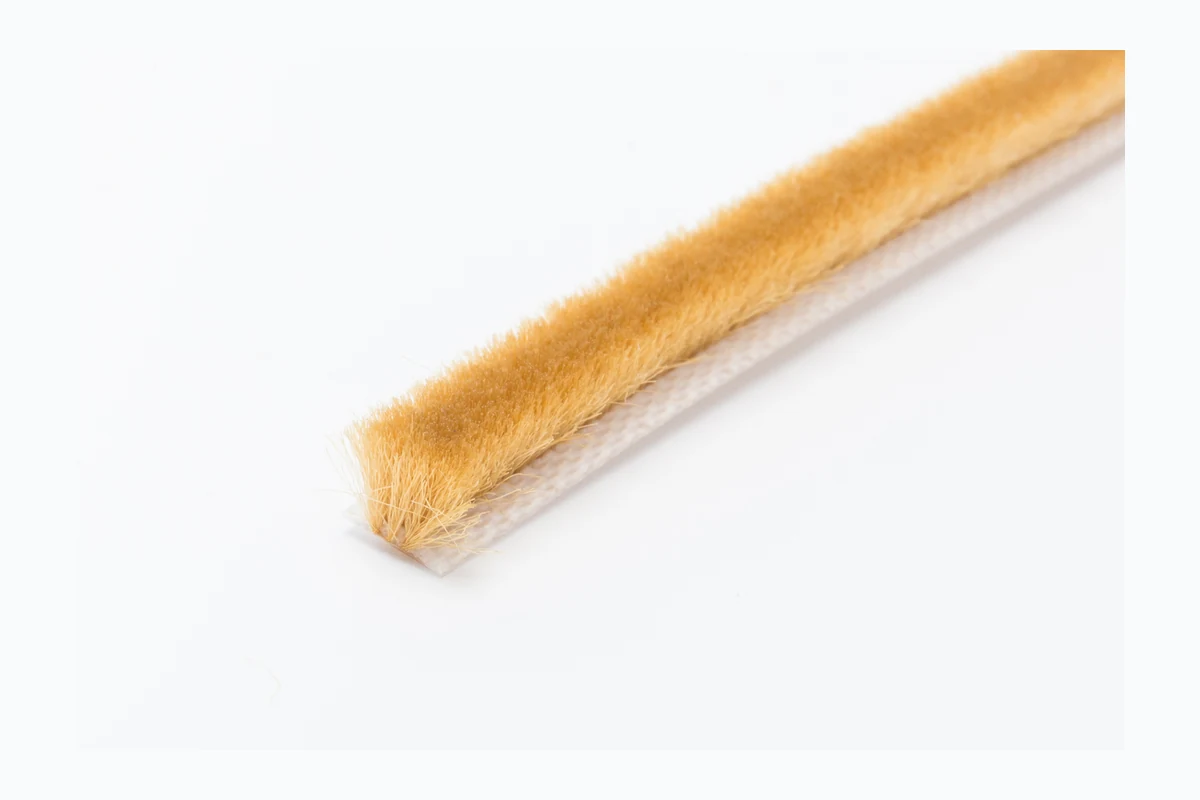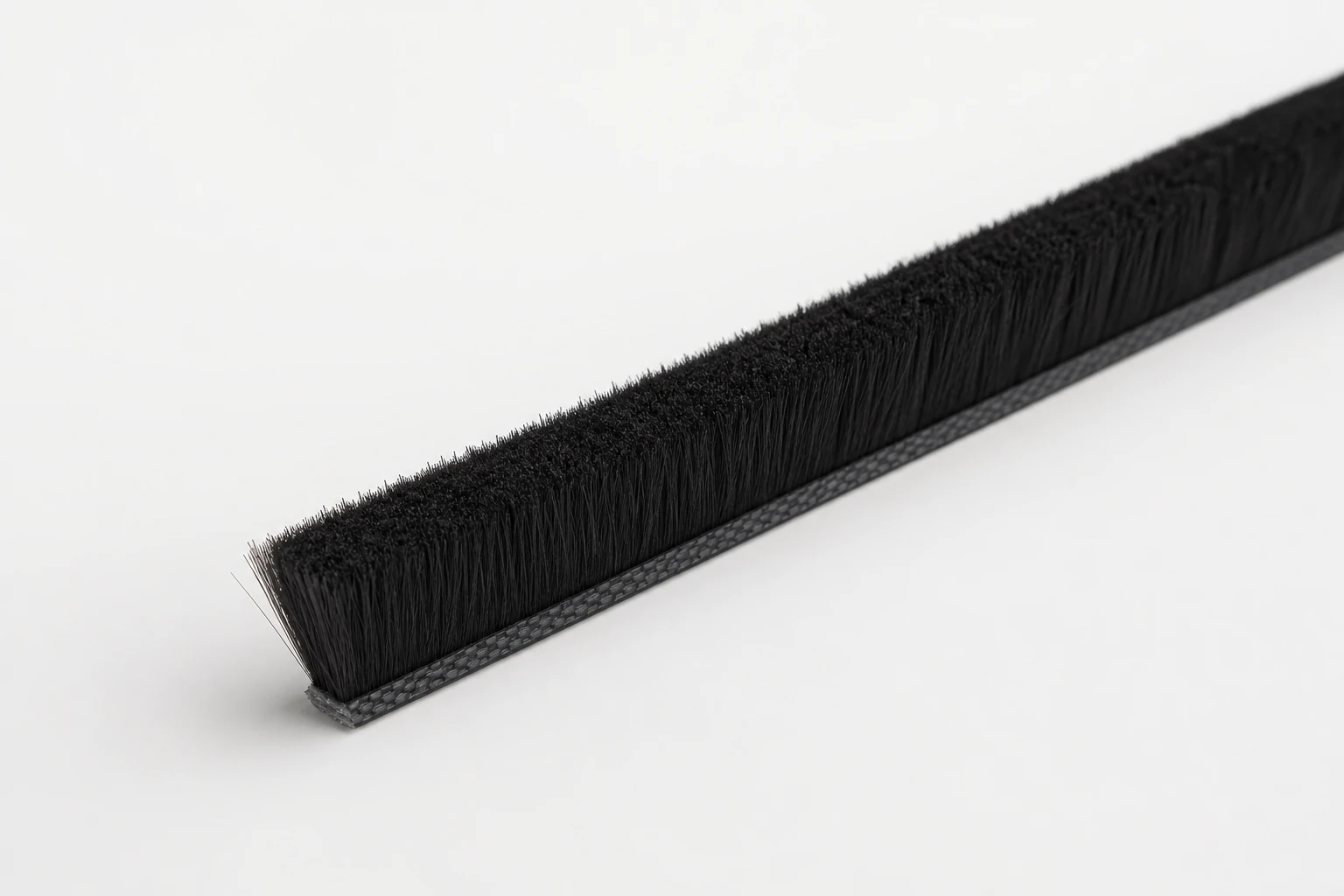
Finned vs regular wool pile at a glance
| Comparison point | Finned wool pile | Regular wool pile |
|---|---|---|
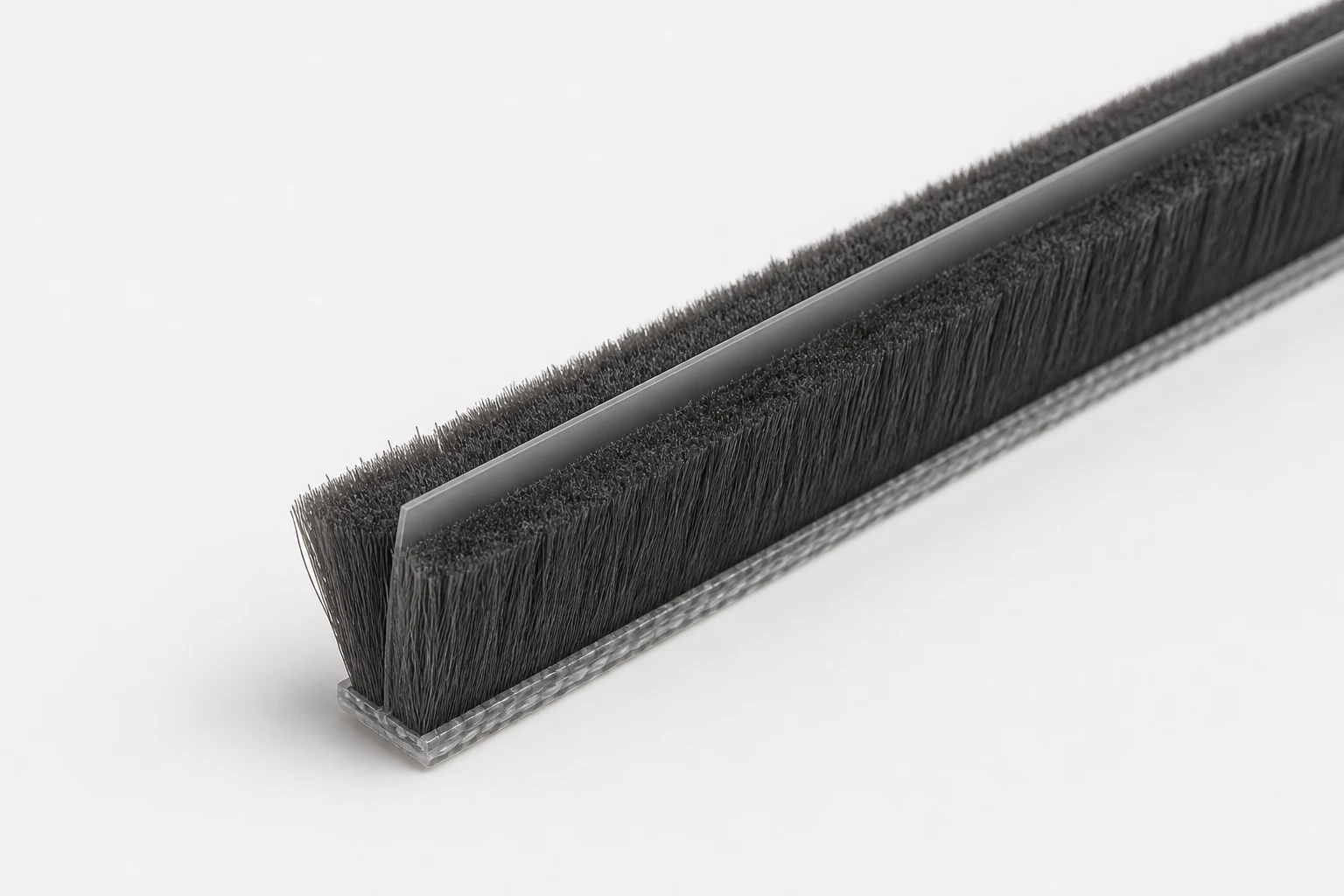
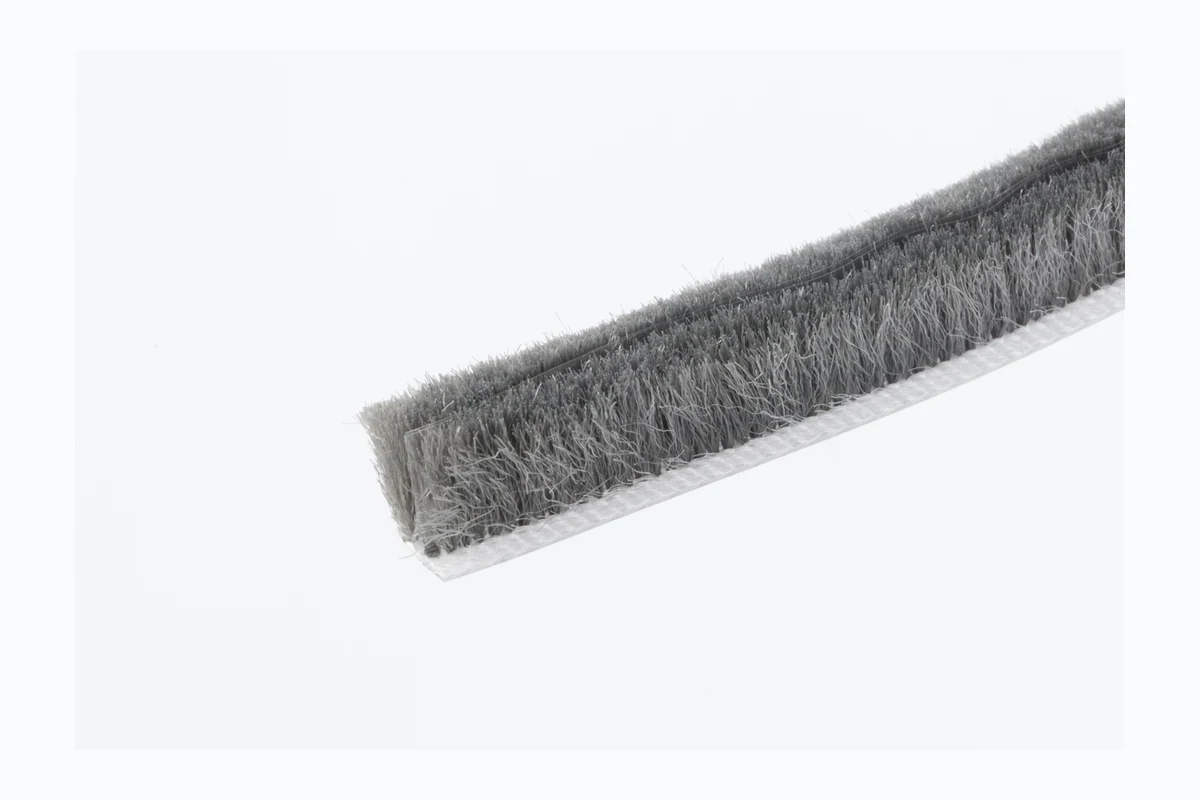
| Construction | Includes a fin in addition to the pile. | Pile without an added fin. |
| Use the existing specification | Keep the fin when the current drawing or old sample specifies one; otherwise assess the profile fit. | Use when the established profile and sample are designed for pile without a fin. |
| Profile fit | Check base width, pile height, backing and fin position against the groove and sash path. | Check base width, pile height and backing against the groove and sash path. |
| Movement check | Test installed contact, compression and sliding resistance in the actual profile. | Test gap coverage, pile compression and sliding resistance in the actual profile. |
Profile check
Comparing finned and regular pile for a specific profile?
Send an end-section photo, old sample or profile drawing, plus the base width and pile height if known. ArctiveX can review fin position and groove fit before confirming a sample direction.
Start with the old sample
Keep a fin when the old strip or profile drawing requires one. Use regular pile when the established profile works without a fin; adding one without a fit check can change movement.
Compare the profile fit
Check base width, pile height, backing thickness and fin position against the groove and sash path. Finned and non-finned strips that look similar can behave differently after installation.
When finned pile is useful
Finned pile is discussed when the profile needs an added barrier or an existing finned specification must be repeated. It is not automatically better for every sliding system.
When regular pile is enough
Regular pile can be the practical choice for standard profile gaps, established replacement sizes and distributor stock where the old sample has no fin.
Confirm by sample
Test fit, compression and sliding resistance in the real profile before fixing the order specification. Record the final fin option with width, height, color and roll length.
RFQ information checklist
Before requesting price, prepare these details so the supplier can check size, packing, sample and repeat order feasibility.
- Base width
- Pile height
- Backing thickness
- Density
- Color
- Roll length
- Packing method
- Order quantity
- Destination port